Phonics
Phonics at Bottesford Junior School
How we teach phonics
The Read Write Inc. Phonics programme (Y3 & Y4 interventions)
The Read Write Inc. Fresh Start Phonics programme (Y5 & Y6 interventions)
Learning to read is the most important thing your child will learn at our school. Everything else depends on it, so we put as much energy as we possibly can into making sure that every single child learns to read as quickly as possible.
We want your child to love reading – and to want to read for themselves. This is why we put our efforts into making sure they develop a love of books as well as simply learning to read.
How will my child be taught to read?
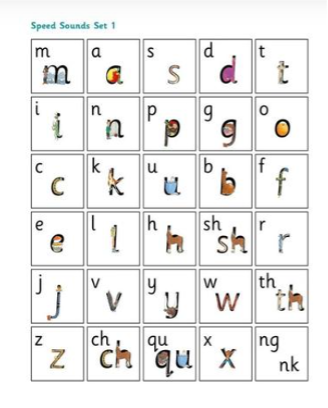
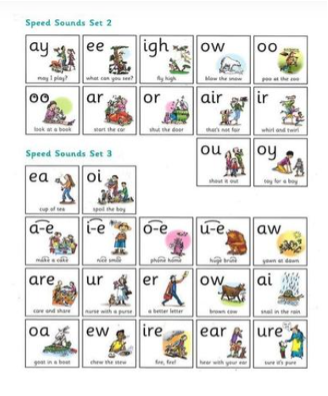
At Bottesford Junior School, we use Reading, Write Inc. to teach phonics. This means that our children learn how to ‘read’ the sounds in words and how those sounds can be written down. This is essential for reading, but it also helps children learn to spell well. We teach the children simple ways of remembering these sounds and letters.
The children also practise reading (and spelling) what we call ‘tricky words’, such as ‘once,’ ‘have,’ ‘said’ and ‘where’. The children practise their reading with books that match the phonics and the ‘tricky words’ they know. They start thinking that they can read and this does wonders for their confidence. The teachers read to the children, too, so the children get to know all sorts of stories, poetry and information books. They learn many more words this way and it also helps their writing.
We use Read, Write Inc. Phonics as an intervention in Year 3 and Year 4, and Read Write Inc. Fresh Start for some of our Year 5 and Year 6 pupils.
How will I know how well my child is doing?
We use various ways to find out how the children are getting on in reading. We use the information to decide what reading group they should be in. Your child will work with children who are at the same reading level as him or her. Children will move to a different group if they are making faster progress than the others. Your child will have one-to-one support if we think he or she needs some extra help to keep up.
We also use a reading test so that we can make sure that all our children are at the level that they should be for their age compared to all the children across the country.
At parent our parents evening appointments, we will talk to you about how well your child has done and which stage they are on, and especially if we have any worries.
All the staff have been trained to teach phonics, following the Read, Write Inc. teaching strategies. We believe that it is very important that all the teachers and teaching assistants work in the same way. Our reading Leader monitors teaching to make sure that the children are learning in the way we want them to learn.
What can I do to help? Is there anything that I shouldn’t do?
Your child will bring different sorts of books home from school. They will bring home their phonics ‘book bag’ reading book and a free choice story book to enjoy. If they ae in Year 5 or Year 6, they will bring home an anthology reading book.
Help your child to sound out the letters in words and then to ‘push’ the sounds together to make a whole word. Try not to refer to the letters by their names. Help your child to focus on the sounds. You can hear how to say the sounds correctly at this link:https://www.ruthmiskin.com/parentsandcarers/
Sometimes your child might bring home a picture book that they know well. Please encourage your child to tell you the story out loud; ask them questions about things that happen or what they think about some of the characters in the story.
We know parents and carers are very busy people. But if you can find time to read to your child as much as possible, it helps him or her to learn about books and stories. They also learn new words and what they mean. Show that you are interested in reading yourself and talk about reading as a family. You can find out about good stories to read to your child here: https://www.facebook.com/miskin.education
What if my child turns out to be dyslexic?
The way we teach reading is especially helpful for children who might be dyslexic. This is because we use a very well-organised programme that has a strong focus on phonics. This is very important for children who find learning to read difficult. If you are worried about your child, please come and talk to us.
My child has difficulty pronouncing some sounds. Will this stop him learning to read through phonics?
This isn’t a problem for learning to read as long as we know what sound the child is trying to say. This is not something to worry about. Many children have a few sounds that they can hear clearly but find it difficult to say, particularly the l-sound, r-sound, w-sound, th-sound, s-sound, sh-sound and j-sound. Often they say a t-sound for the c-sound; “tttssh” for the s-sound; “w” for the r-sound and “r” for the l-sound. You can help your child by encouraging him or her to look at your mouth when you say the sound. Whatever you do, do not make your child feel a failure. They can easily learn to read, even if they find one or two sounds difficult to say.
Don’t hesitate to contact us if you have any concerns. We are here to help.